Scotland's Top Museums
16th May 2026
A quick Google search for Scotland’s top museums will offer you information on Edinburgh and Glasgow’s powerhouse collections; The National Museum of Scotland, The Riverside Museum of Transport, Kelvingrove Art Galleries. While these are all absolutely brilliant, we want to use this blog to highlight some of Scotland’s lesser-known museums. Hidden gems found throughout the highlands, islands and Lowlands of Scotland.
So how did we come up with this list? We asked our Driver Guides of course! The Best Scottish Tours Drivers have toured the length and breadth of Scotland many times over (often in wet weather), so they know all of the best museums and galleries that rural Scotland has to offer.
Whether you want to learn about how our ancestors made it through the harsh island winters, or discover the tragic story of Mary Queen of Scots - there’s sure to be a museum on this list that ignites your interest.
The Devil’s Porridge Museum
The first museum on our list has quite the name! The Devil’s Porridge Museum tells the story of HM Factory Gretna, a World War I museum where a deadly explosive substance - cordite - was made, known as “The Devil’s Porridge”. The museum, situated in the Scottish Borders, has won awards and gained 5-star rating for its high quality displays and storytelling.
Although their contribution to the war effort is highly praised, working in a munitions factory was dangerous. Many of those who dealt closely with the toxic substances developed long-term health problems, and others were horribly injured in machinery accidents. The museum tells their stories, recognises their sacrifice, and highlights the importance of those who did their part at home during WWI.
Mary Queen of Scots Visitor Centre
Nearby in the beautiful town of Jedburgh, you’ll find a 16th century towerhouse which explores the life of one of Scotland’s most famous monarchs, Mary Queen of Scots. They not only explain what happened during her life, the museum delves into why we are still so fascinated with her story today, and why she has become such a cultural icon worldwide.
Trimontium Museum
Our final Scottish Borders museum goes even further back in time - to the Romans’ invasion of Britain. While they managed to make their way through the length of England, us Scots still see it as a source of huge national pride that the Romans didn't make it very far into Scotland. It is said that they couldn’t handle the harsh Scottish weather and struggled against the hardy Caledonian warriors. You’ll find the Trimontium Museum in Melrose on the site of one of the most northerly Roman settlements, estimated to have been inhabited between AD80 and AD142.
Check out our 7 Day Scottish Borders, Arran & Galloway Forest Park Tour which covers these locations.
Strathnaver Museum
From the Borders to the far north of Scotland - we are taking a huge leap north to the Strathnaver Museum in Sutherland. The museum covers 8,000 years of life in one of mainland Scotland’s most northern communities.
Their collection is highly varied, with highlights including a Bronze Age burial beaker, an early 19th century croft house display, tools, agricultural and fishing exhibits, militaria and works by local artists. They also have a room dedicated to Clan Mackay - historically one of the most important families in the area.
The rest of the museums on this list are situated on three of Scotland’s most popular islands - Skye, Lewis and Mull.
Staffin Dinosaur Museum
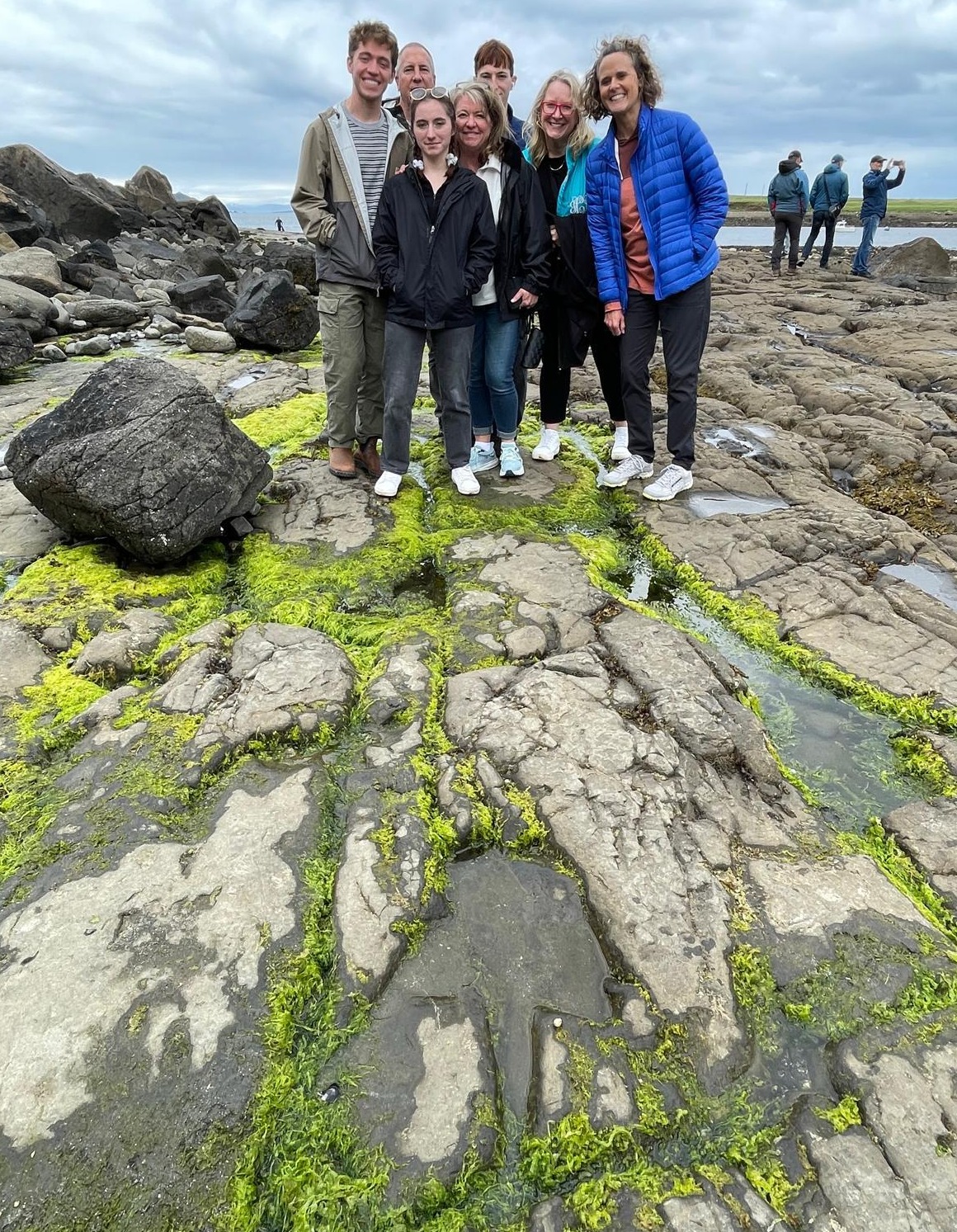
First up on our list of island museums is the Staffin Dinosaur Museum, filled with fossils which have been found in the local area. It is a friendly, family-run museum, internationally acclaimed for its collection of Jurassic-age fossils. You can also see dinosaur footprints embedded into the rocks on a few locations around the island.
The Giant MacAskill Museum
From ancient giants to modern(ish) giants. In 1825, on the tiny Isle of Bernaray, a baby was born who was destined to reach extraordinary heights - quite literally! Scotland is the birthplace of the ‘tallest true giant’; once recognised by the Guinness Book of World Records as the tallest and strongest man who ever lived (1981 edition). Angus MacAskill a.k.a. “The Giant MacAskill” grew to an astonishing 2.36 metres (7 ft 9 in), despite having no medical condition or growth abnormalities that contributed to his staggering height.
Most others of his height have characteristics of Pituitary gigantism, a rare condition caused by excessive growth hormone, which negatively impacts a person’s health. Angus however, was perfectly healthy and legend says he had the strength of 6 men. The museum tells the stories and legends of the big guy from a wee island on Scotland.
Although Angus’s parents emigrated to Canada with Angus and his siblings, other members of the family have since settled on the Isle of Skye. In 1989, a descendant named Peter MacAskill set up a museum to honour his legacy. Does the name MacAskill and the Isle of Skye spark something within your memory? If you are into sports, you may have heard of professional Scottish trials cyclist, Danny MacAskill, who famously rode his bike across Skye’s treacherous Cuillin Ridge. Danny is Peter’s son.
Museum of Island Life on Skye
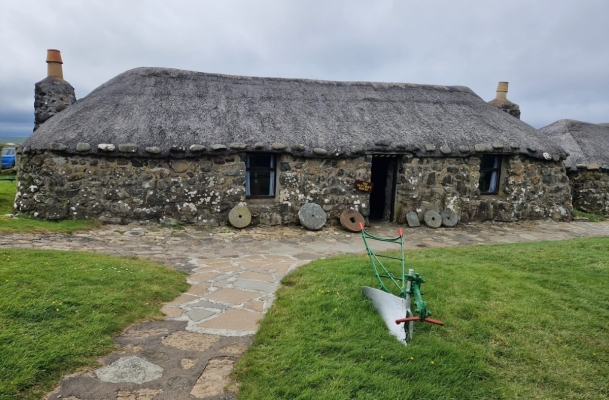
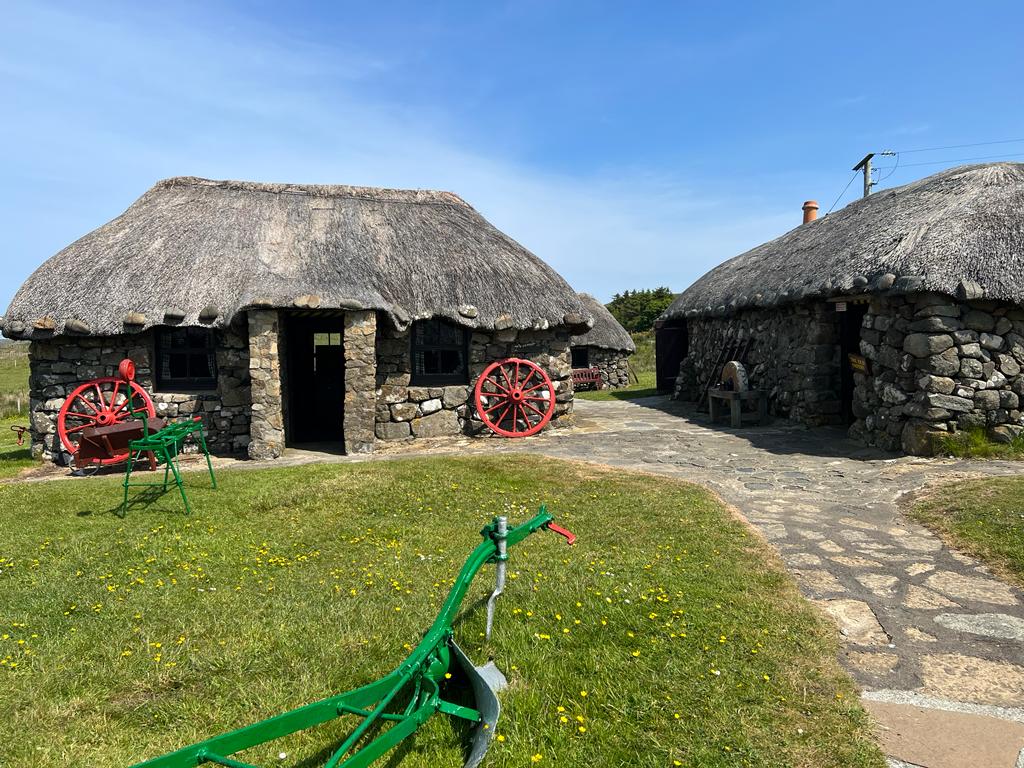
Our third Skye highlight is the Museum of Island Life. Ever wondered what it would be like to live on a Scottish island before modern comforts? Well this is just the place to explore traditional living.
The collection is housed in eight thatched cottages, one of which was lived in right up until 1957. It tells stories of the people who lived on this remote landscape in the late 19th century, with each cottage representing a different aspect of their lifestyle. Learn how islanders socialised in “The Ceilidh House”; how they made an income in “The Old Shop”, “The Smithy” and “The Weaver’s Cottage”; how they put food on the table through small-scale farming in the “The Byre” and “The Barn”; and what the living areas looked like in “The Old Croft”. The final cottage, “Taigh Eòin” is dedicated to the museum’s founder Jonathan MacDonald MBE.
Lews Castle Museum
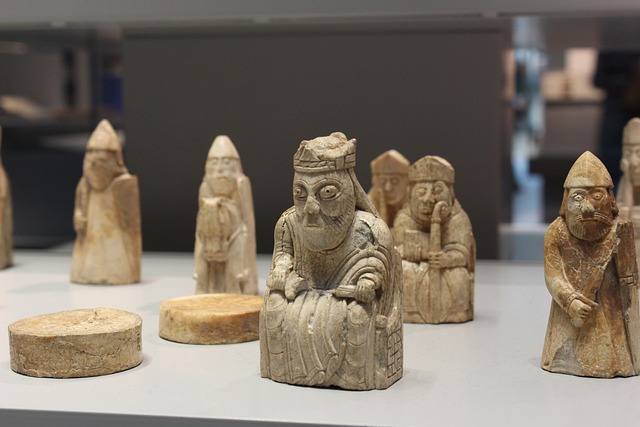
For our next two museums we are hopping over to Lewis - an island just north-west of the Isle of Skye. Lews Castle, based in the main town of Stornoway, offers insight into many aspects of island life, but it is most famous for being home to some of the Lewis Chessmen.
The Lewis, or Uig, Chessmen are a fascinating group of ancient chess pieces carved from walrus ivory, the first of which were discovered in 1831 buried somewhere along Uig Bay. They are believed to have been crafted between 1150 and 1200 AD, probably in Norway. They were found alongside pieces from several other board games. Back then, the Isle of Lewis was ruled by Norway rather than Scotland, with all of the Hebridean Islands being recognised as part of Scotland in 1266 under the Treaty of Perth.
Lewis’s Blackhouses
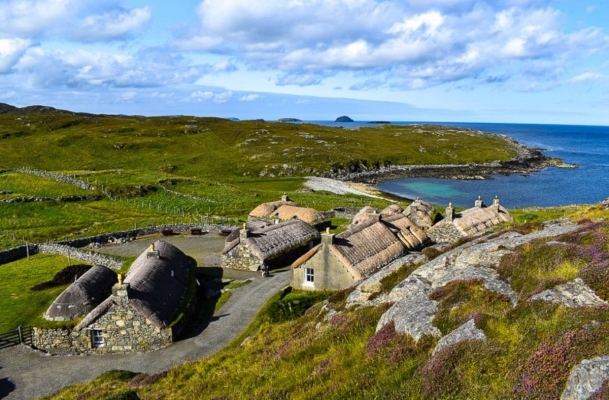
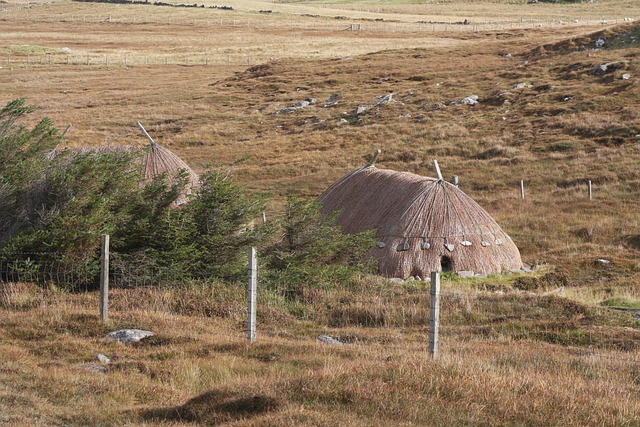
If you’d like to learn about island living on the island of Lewis and Harris, you have two fantastic options - the Geàrrannan Blackhouse Village and The Blackhouse in Arnol. We’d recommend you visit both if you have the time. The Arnol site goes a little further back in time and perhaps feels a little less touristy, but the Geàrrannan Blackhouses is an impressive exhibition and you’ll often get to see a Harris Tweed Weaving demonstration while touring the site.
Visit these spectacular islands on our 9 Day Highlands & Islands Tour.
The Mull Museum
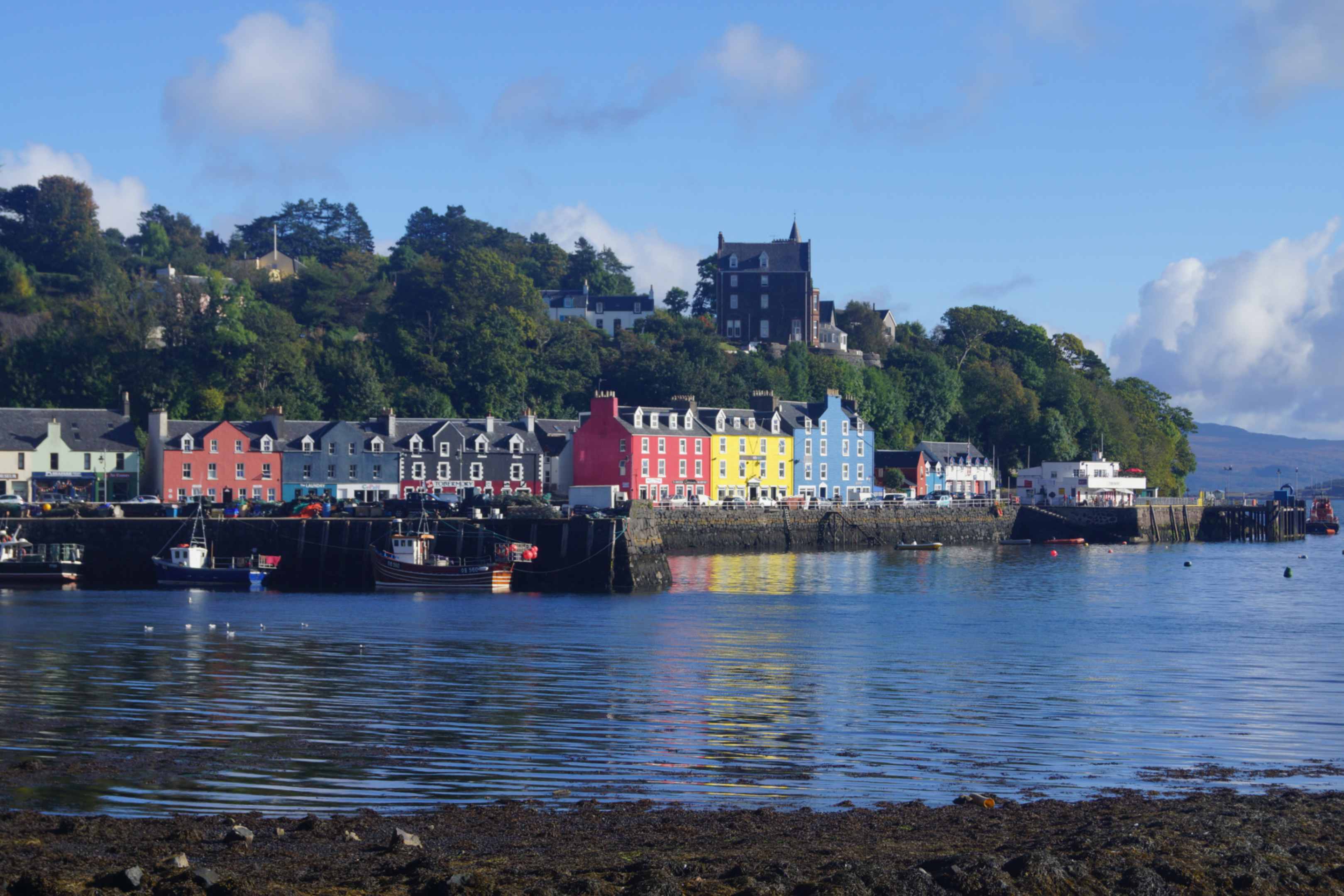
You can find our final island museum in the colourful, and frankly adorable, town of Tobermory. So adorable in fact, that it inspired one of Scotland’s much loved children’s television shows which ran from 2002 to 2005; Balamory. The museum showcases the history and culture of this beautiful island through an extensive archive and interesting collection of artefacts.
You’ll find the Isle of Mull on our 8 Day West Coast Islands & Wild Highlands Tour itinerary.
Scotland’s Top Museums
Getting off the beaten track is part of what makes Best Scottish Tours so special. We take our guests to authentic, cosy museums run by families and local communities, with quirky collections and real local stories. The museums in this blog are some of our Drivers’ favourites, although they have many, many more on their lists!
Discovering Scotland’s history and heritage is a key element of our itineraries. Scots are fiercely proud of their rich culture, one that has been built over thousands of years and through millions of individual and collective stories. Our tours are an excellent way to experience this, and we can’t wait to tell you all about our ancestors.
Take a look at our upcoming tours to give yourself a little inspiration for your next vacation!